

SOBR 2026 Undergraduate and Honours Career Pathways:
Webinar Recordings
Dr. Aron Hill
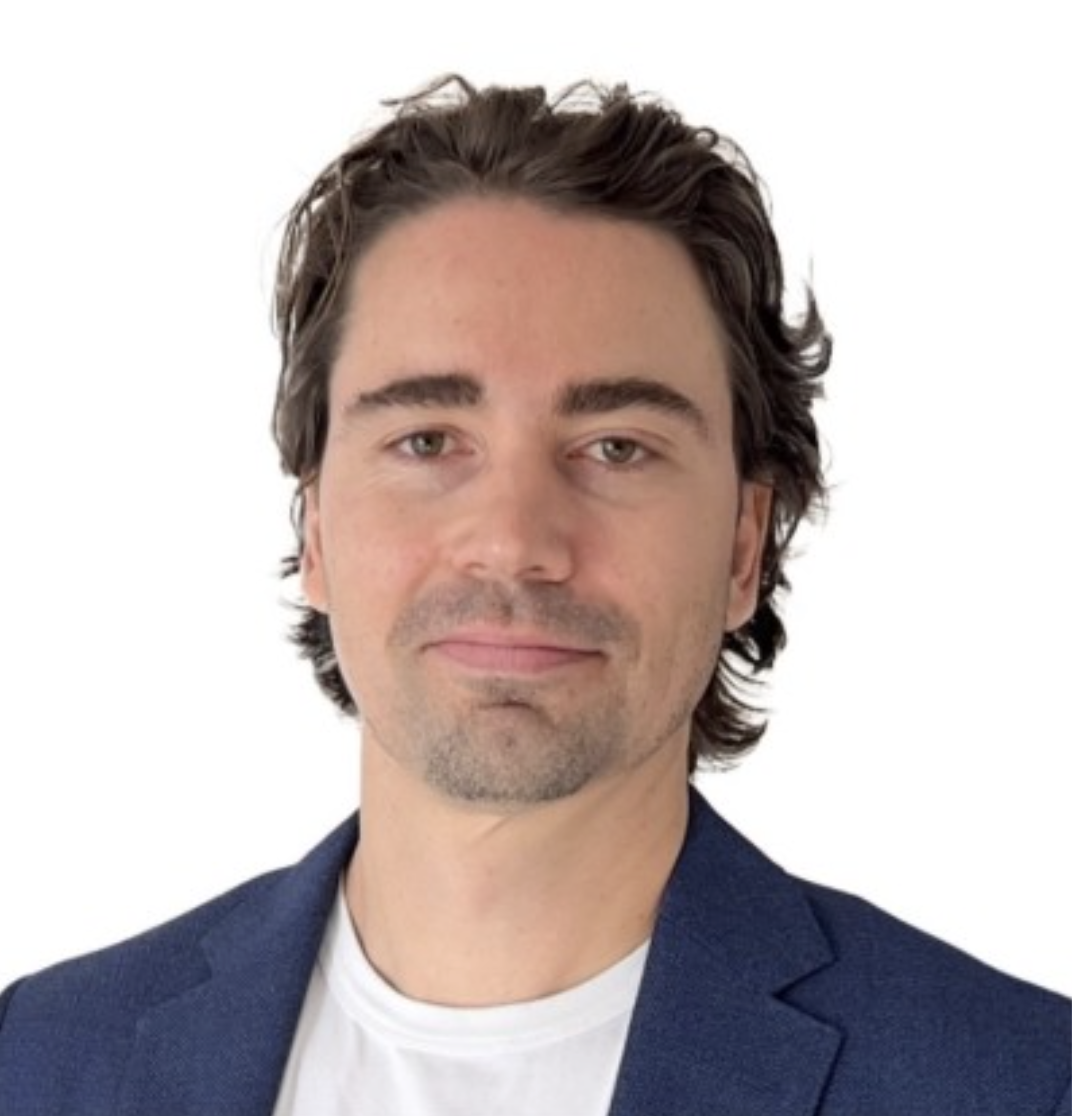
Dr. Aron Hill is a Senior Research Fellow in the Cognitive Neuroscience Unit at Deakin University, where he co-leads the Brain Systems and Neurotherapeutics Lab. His research focuses on how the use of advanced neuroscience techniques (brain stimulation, EEG etc.) can better understand the neural mechanisms underlying neurodevelopmental and psychiatric disorders. His work is strongly translational, aiming to improve how we measure, diagnose, and treat psychiatric and neurodevelopmental disorders.
Aron has published more than 70 peer-reviewed papers and has held leadership roles in the field, including serving as Secretary of the Australasian Brain Stimulation Society from 2021 to 2024. Before moving fully into academia, Aron spent over a decade as a Medical Scientist in Neurophysiology at Alfred Health. During this time, he worked across a range of clinical settings, including intensive care and surgery, developing expertise in techniques such as EEG.
Audience Q&A highlights:
10:30 – “For a mature-age student nearing the end of their undergraduate degree and considering postgraduate research, how common is it to enter the field or begin a new research career later in life?”
12:00 – “For undergraduates interested in neuroscience but unsure how to get involved, what would you recommend for becoming more engaged with the community, finding opportunities, and meeting people with similar interests?”
Dr. Sylvia Lin
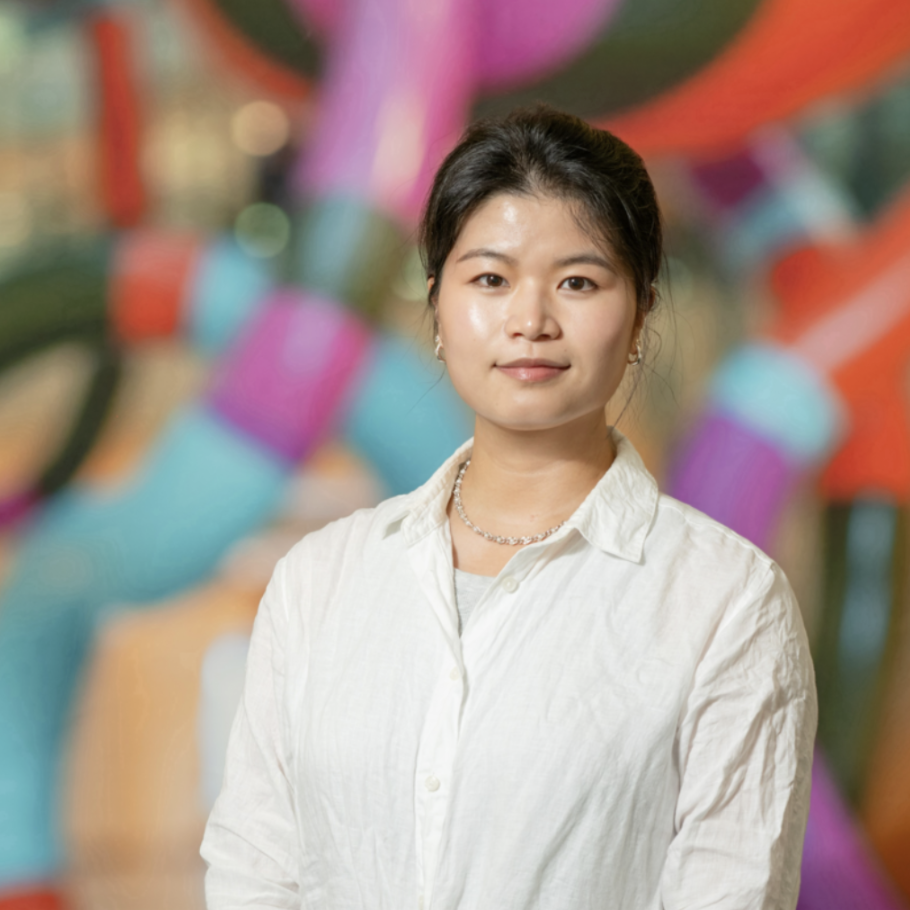
Dr. Sylvia Lin is a Postdoctoral Research Fellow working across the School of Psychology at Deakin University and the Centre for Adolescent Health at the Murdoch Children's Research Institute. Her research focuses on how social environments shape the developing brain, and how these processes contribute to mental health risk and resilience across adolescence. Her work is driven by a translational aim to support healthy development. Sylvia's research has earned prestigious awards including the Mendelson Neuroscience Award and Dean's Award for Excellence in Graduate Research, as well as best presentation and best publication awards. She has been invited to speak at >20 national and international neuroimaging and developmental psychology conferences.
She is currently working on research studies investigating social media use and adolescent development, in particular, evaluating the impact of Australia's world-first social media age restrictions. Her research helps build the evidence base for one of the most significant policy and public health debates affecting young people living in a digital world today.
Audience Q&A highlights:
7:40 – “When considering Honours or PhD opportunities, how important is finding the right university, research environment, and culture? What was your experience of moving between universities (Specifically, The University of Melbourne and Deakin University)?”
10:21 – “More generally, what advice would you give students when choosing an Honours project?”
Dr. Alessandra Lee

Alessandra is a Clinical Neuropsychologist and clinician-researcher based at the Healthy Brain Ageing Clinic in Sydney, specialising in the assessment and management of cognitive impairment in older adults. Working primarily within tertiary memory clinics and hospital settings, she conducts comprehensive neuropsychological assessments and contributes to multidisciplinary diagnostic and care pathways.
Alongside her clinical work, Alessandra has contributed to national research initiatives, including as the Project Officer for the Centre of Research Excellence to Optimise Sleep in Brain Ageing and Neurodegeneration (CogSleep).
Alessandra completed a Bachelor of Science (Honours) in Psychology at the University of Sydney, followed by a Master of Clinical Neuropsychology at Macquarie University. She recently completed a PhD at the University of Sydney, investigating how personalised cognitive interventions for older adults with mild cognitive impairment can be successfully translated into real-world healthcare settings.
Lucky for us, today Alessandra will reflect on her pathway into clinical neuropsychology and research, discuss where she is today, and share what she would have done differently, and what she would have done the same, during her undergraduate and postgraduate training.
Audience Q&A highlights:
8:30 – “As a second-year undergraduate psychology student, where are some good places to volunteer or apply for opportunities to begin gaining relevant experience?”
10:10 – “What was your experience navigating the requirements and pathway into clinical neuropsychology, and what were some of the challenges you encountered along the way?”
Hanna Corre
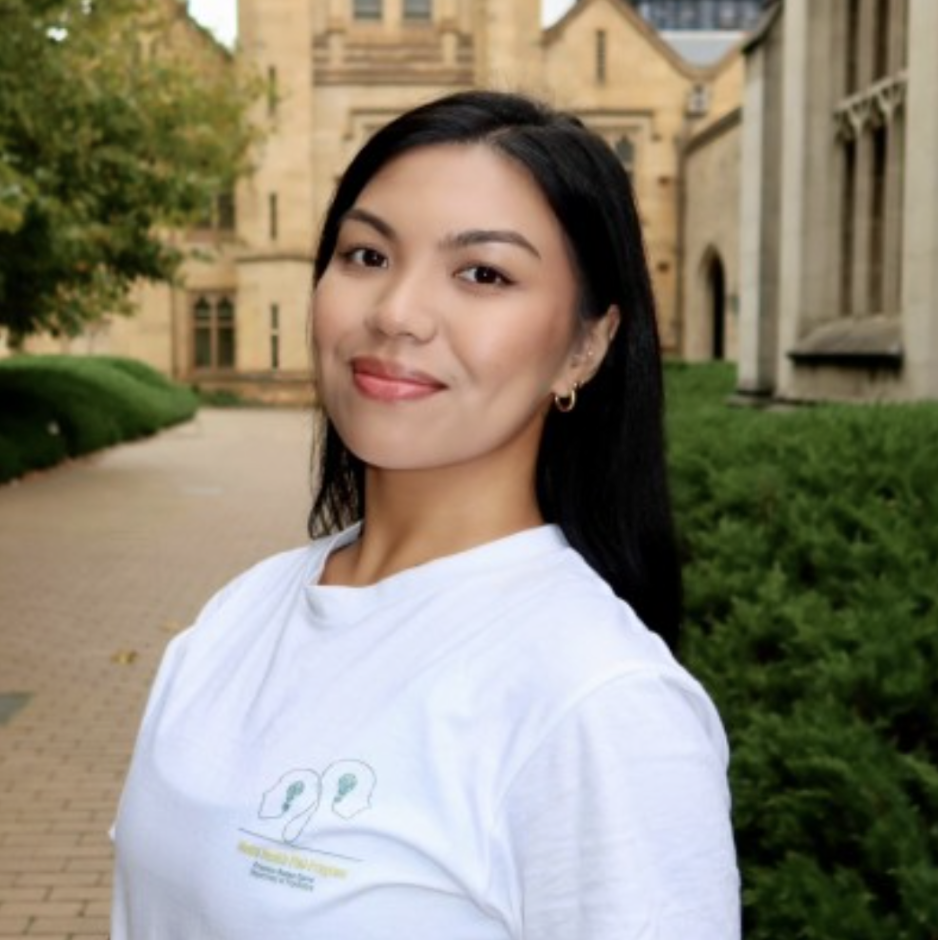
Princess Hanna Corre is a second-year PhD candidate at the University of Melbourne investigating how modifiable lifestyle factors, particularly diet and oral health, are associated with cognitive function in bipolar disorder and schizophrenia. She is a recipient of the Australian Rotary Health/Ian Parker Bipolar Research Fund PhD Scholarship. Princess completed a Bachelor of Science with Honours in Neuroscience at the University of Otago, focusing on behavioural neuroendocrinology. Alongside her PhD, Princess works as an Academic Tutor in the Melbourne School of Psychological Sciences and as a Research Assistant for the Identifying Correlates of Neuropsychological Functioning in Bipolar Disorder (ICoN-BD) study in collaboration with Swinburne University. She is also actively involved in mental health research and student leadership through Students of Neuropsychiatry Research (SONR), the Mental Health PhD Program (MHPP), the Australasian Society for Bipolar and Depressive Disorders (ASBDD), and the Centre of Research Excellence in Bipolar Disorder (CORE-BD).
Audience Q&A highlights:
13:00 – “In terms of ‘cold emailing’ professors and lab heads, do you have any tips on going about this?”
Dr Ellen Younger
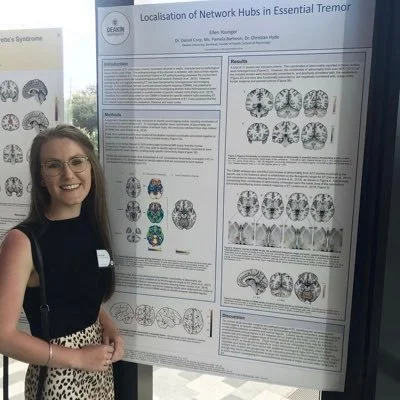
Dr. Ellen Younger is a neuroscience researcher whose work focuses on the neural circuits underlying movement disorders and the optimisation of brain stimulation therapies. Ellen completed her PhD at Deakin University in Melbourne in 2025. Her doctoral research focused on translating brain network mapping findings into therapeutic targets for transcranial magnetic stimulation (TMS) in movement disorders, integrating neuroimaging, network mapping, and neuromodulation to identify network-based treatment strategies. In 2026, Ellen joined the Institute for Network Stimulation (NetStim) and the Department of Pediatrics in Cologne, Germany, as a postdoctoral researcher.
Her current research aims to identify the brain networks underlying childhood dystonia and translate these insights to optimise deep brain stimulation (DBS) therapy. She has a particular focus on genetic forms of childhood dystonia, investigating how disorder-specific network dysfunction can inform patient selection, surgical targeting, and the development of personalised neuromodulation strategies. Her work combines advanced neuroimaging, structural and functional connectivity analyses, and clinical neuroscience to improve outcomes for children with dystonia.
Audience Q&A highlights:
9:30 – “How did your background in psychology contribute to your further study in cognitive neuroscience, and would you recommend this pathway to others interested in cognition?”
Dr. Katie Lewis
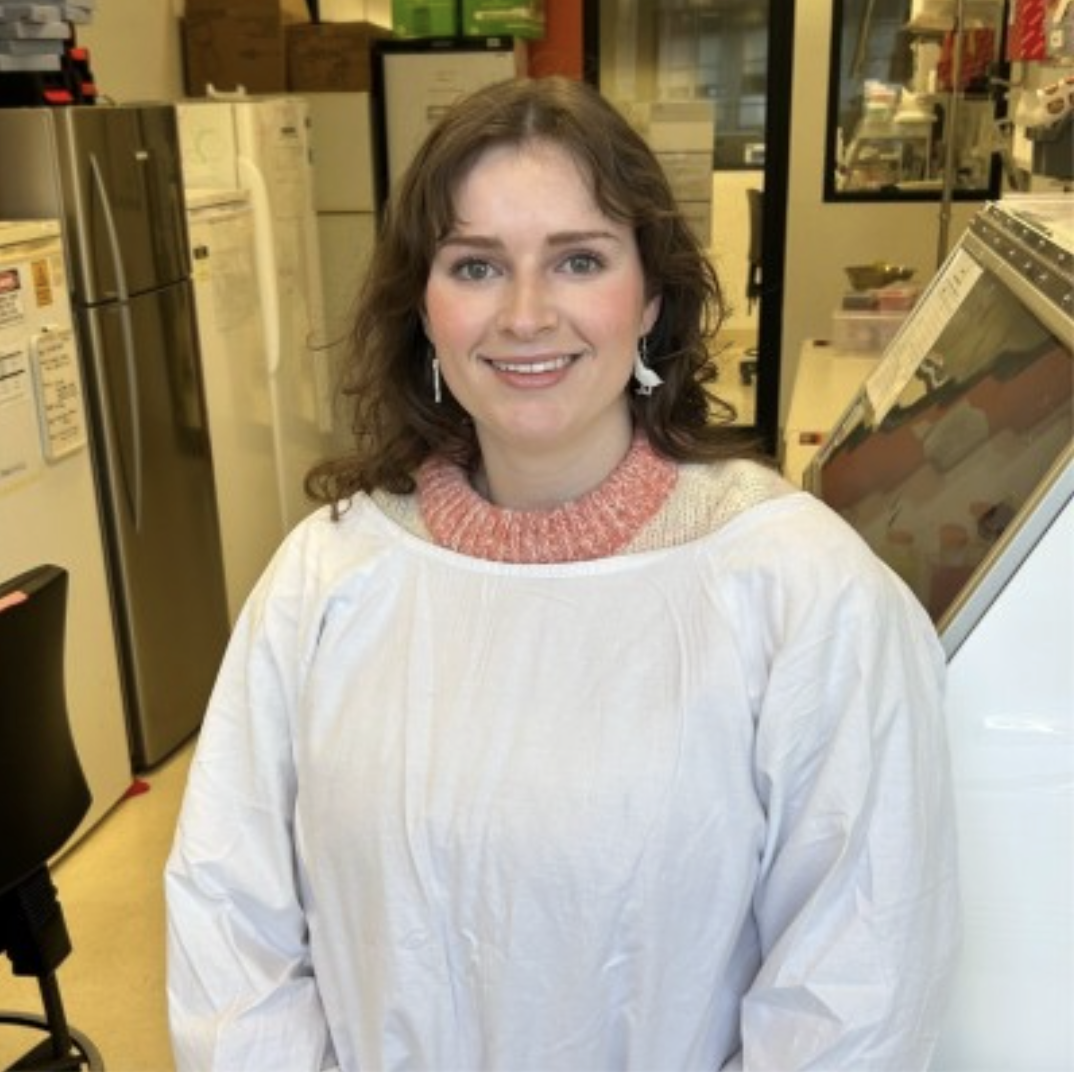
Dr. Katie Lewis recently completed her PhD at the Florey Institute of Neuroscience and Mental Health and the University of Melbourne in June 2026. She investigated the role of the myelinating cells in motor neuron disease (MND), with her work earning her an MND Research Australia PhD Top-Up Scholarship, a Florey Anonymous Philanthropic Travel Scholarship, and a range of conference awards, including the Istvan Törk Award for Best Student Oral Presentation at the ANS conference and best student talk at the Australian & New Zealand MND Symposium. Recently, she was highly commended for the 2025 Mendelsohn Award for Outstanding Doctoral Student in Neurosciences at the University of Melbourne. While at the Florey, Katie served on the SOFI committee as Honour’s student rep and Treasurer.
Katie has continued her research on Schwann cell myelination in the lab of Dr. Yannick Poitelon and Dr. Sophie Belin at Albany Medical College, New York. To support her research, she earned the Laura Feltri Basic Science Fellowship of $150,000 USD from the Peripheral Nerve Society. Outside of science, Katie is a singer and was an active member of the Melbourne Symphony Orchestra Chorus from 2023-2026. She hopes to find a chorus to join in Albany, alongside conducting kickass science.
Audience Q&A highlights:
9:50 – “What drew you to your specific PhD topic? Was there a particular experience, undergraduate subject, or research interest that shaped this direction?”
13:40 – “How does the biomedical research environment differ between New York and Melbourne? How have you found the transition, and have there been any particular challenges or differences that stood out?”
Dr. Amanda Boyes
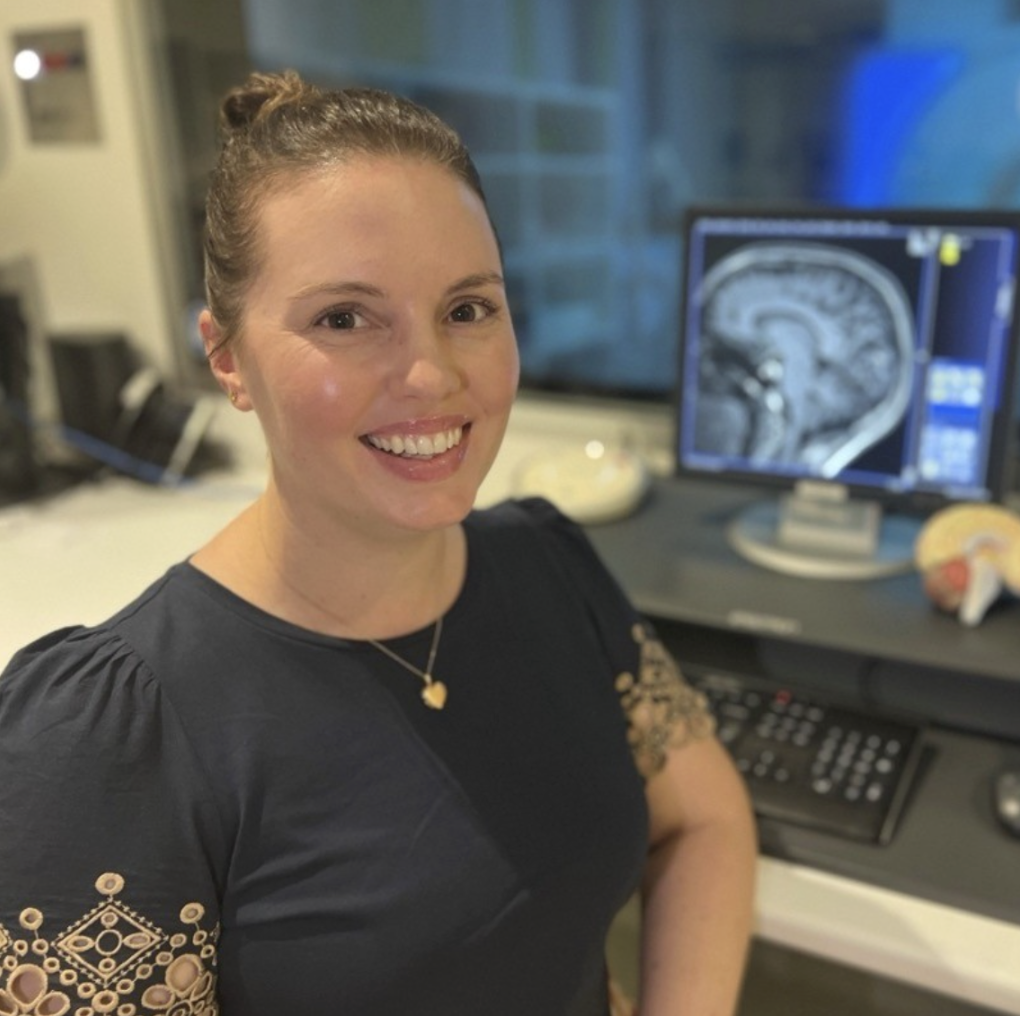
Dr. Amanda Boyes is a Research Fellow at Deakin University in Melbourne, Australia, where she is Coordinator for the ENIGMA-Puberty Working Group, which is part of the broader ENIGMA-Neuroendocrinology initiative. Her research focuses on the adolescent phase, including pubertal development, wellbeing, early intervention, and neuroimaging, with a particular interest in how adolescent brain development relates to mental health outcomes. Amanda’s work involves national and international collaborations. Through ENIGMA, she works alongside researchers across the globe, combining data from different studies into mega-analyses, to develop a more robust understanding of puberty and adolescent neurodevelopment.
Prior to joining Deakin, Amanda completed her PhD at the University of the Sunshine Coast’s Thompson Institute, where she was a researcher on the Longitudinal Adolescent Brain Study (LABS). Her research investigated neurobiological markers of wellbeing in early adolescence, and she later became Team Leader of LABS and Stream Leader across youth mental health neuroimaging and wellbeing, leading projects using advanced neuroimaging and longitudinal methods to better understand adolescent mental health and development.
Audience Q&A highlights:
11:15 – “When you first moved into neuroimaging research, was it difficult to pursue opportunities in an area you had little prior experience in?”
13:20 – “What did you enjoy most about working as a research assistant?”
16:42 – “For an undergraduate interested in neuroimaging research, what are the best ways to develop the necessary skills and experience?”
Jordan Clarke
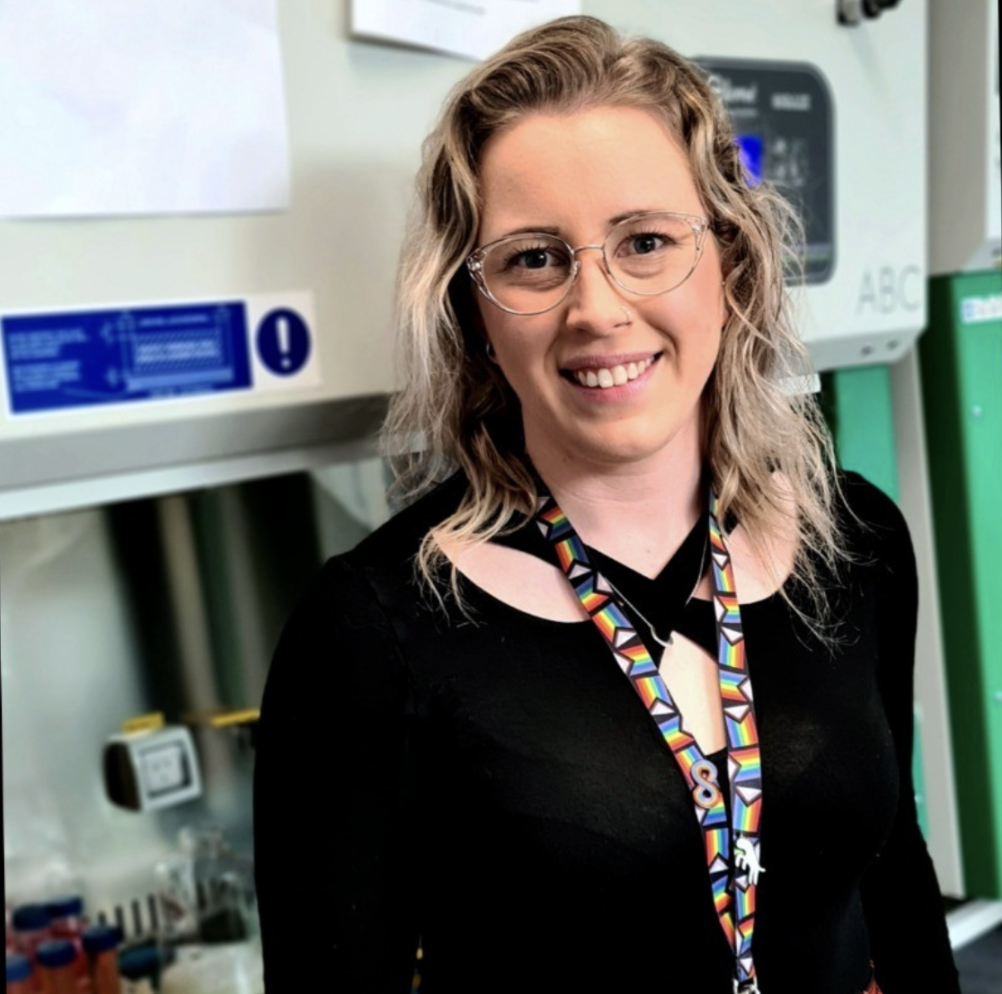
Jordan Clarke is a fourth-year PhD candidate at the University of Melbourne investigating the neurodevelopmental origins of schizophrenia using patient-derived stem cells and cortical organoids. Before commencing her PhD, Jordan worked as a Research Assistant developing stem cell and organoid models to study a range of diseases, including psychiatric disorders, inherited retinal diseases, and cancer.
Her current research combines stem cell biology, advanced imaging, genetics, and disease modelling to investigate how genetic variation influences early brain development and contributes to schizophrenia. By generating and analysing one of Australia's largest schizophrenia organoid cohorts, Jordan aims to better understand the genetic, cellular and morphological changes that underpin psychiatric illness and advance our understanding of human brain development.