

SOBR 2026 Professional Webinar Series:
Webinar Recordings
Dr Bev Menner, CEO Cell Therapies
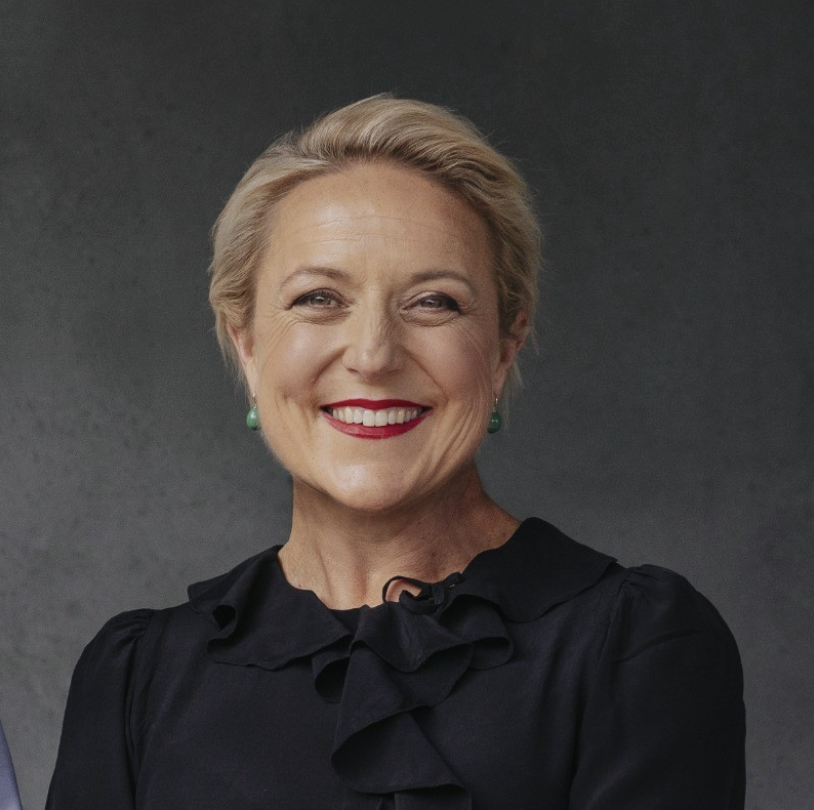
Dr Bev Menner has over 20 years' experience across the Australian and North American bio/healthcare sector, from postdoctoral cancer research to commercial research management, alliance management and global pharmaceutical partnerships. She played a central role in the CSL-AstraZeneca partnership for COVID vaccine production in Australia. Bev holds a PhD in molecular medicine with additional qualifications in genetic counselling, project management and decision analysis, and since 2023 has been CEO of Cell Therapies.
Audience Q&A highlights:
35:00 – “Having worked across diverse teams, big and small, varying research fields, and clinical trials, what qualities or approaches have you most valued in leaders and mentors, and subsequently adopted in your own leadership?”
In her answer, Bev reflects that “everything I’ve learnt, I’ve learnt from someone else.” She discusses Sir Gustav Nossal’s approachable leadership style and the importance of knowing the people you lead: “That connection piece is an important thing for me.” Bev also speaks about continuing to seek mentorship herself, including from leaders outside her own field, and the value of finding common ground across industries. She discusses reverse mentoring at CSL as another important approach to leadership and learning.
37:40 – “How do you see AI changing the skills required of emerging researchers, and more broadly, the way you and your company approach your work?”
In her answer, Bev discusses the need for a “mindful” approach to AI, particularly within manufacturing, and frames its adoption as an “exercise in change management”. She also reflects on the associated HR challenges.
40:25 – “You spoke fondly of your early experience in New York as a thriving, competitive environment. For many PhD students, peer-to-peer competition in academia can be experienced quite negatively. What makes a competitive environment positive, and one in which people can genuinely thrive?”
In her answer, Bev acknowledges the challenges of competitive environments, including the potential for poor behaviour to be rewarded. Reflecting on her time at Memorial Sloan Kettering, where she worked in a lab composed largely of postdoctoral researchers, she identifies autonomy over individual projects, clear boundaries, and strong interpersonal relationships as important features of a positive competitive environment.
Professor Paul Fitzgerald, Head of the School of Medicine and Psychology, Australian National University
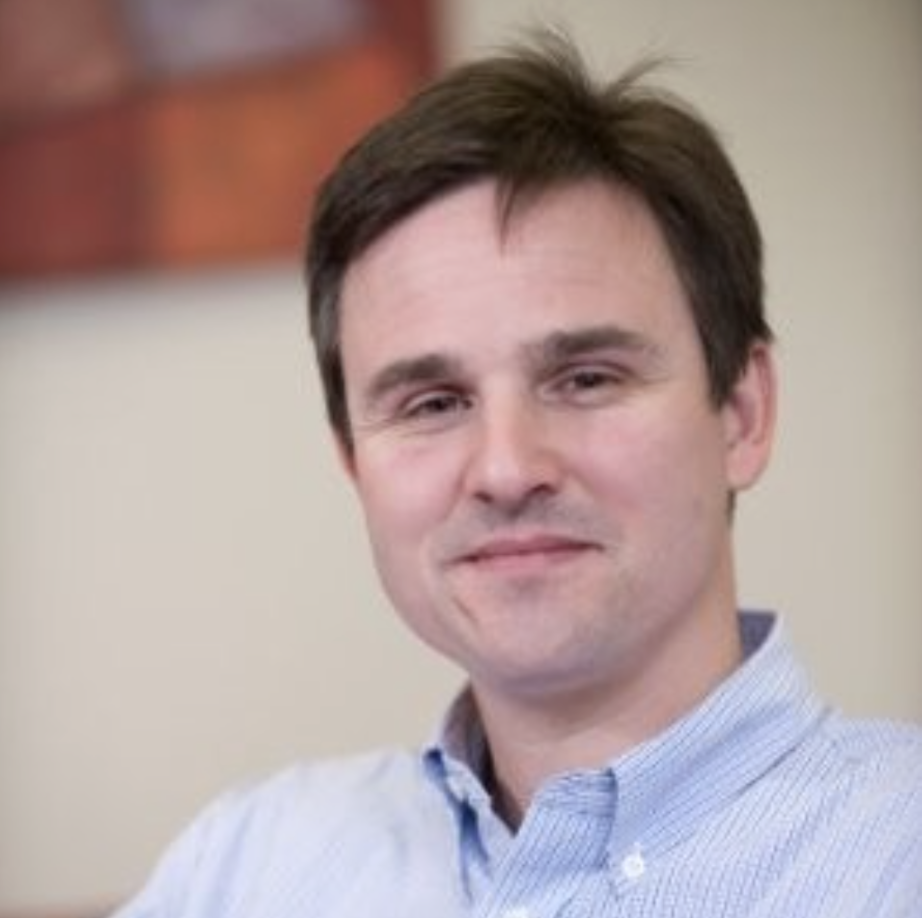
Professor Paul Fitzgerald is a psychiatrist, researcher, author and Head of the School of Medicine and Psychology at the Australian National University. His career has focused on new treatments for challenging mental health problems, especially TMS and other non-invasive brain stimulation. He has conducted more than 25 clinical trials, published over 550 papers, helped establish Medicare funding for TMS in Australia, and trained more than 1,000 clinicians.
Audience Q&A highlights:
28:40 – “When the outcomes of a clinical trial do not align with the hypotheses, particularly after years of work, how do you approach and manage the disappointment of a negative result?”
In his answer, Paul reflects on having conducted multiple negative trials and emphasises the importance of robust study design. A well-designed study allows negative findings to remain publishable, informative, and capable of meaningfully guiding subsequent research.
31:30 – “What are your thoughts on delivering a course of rTMS concurrently with psychotherapy in adults?”
33:00 – “You acknowledged some of the limitations of current Medicare funding for rTMS. When working with funding bodies, how do you navigate these constraints and determine when to compromise versus when to hold firm, and could you have foreseen the current limitations?”
35:25 – “Is the experience of TMS ever painful for patients, and if so, how do researchers mitigate this? As a follow-up, when moving towards accelerated treatment protocols, is there a greater risk of reaching a patient’s threshold for tolerating treatment, and what are your thoughts on this?”
38:20 – “A standard rTMS course can involve attending treatment five days a week for six weeks, which may itself provide behavioural benefits, for individuals with depression, through routine and leaving the house. How do you weigh these potential benefits against the accessibility and other advantages of shorter, accelerated treatment protocols?”
39:20 – “If treatment protocols do not behave in simple or predictable ways, how should we approach the design of new protocols and the research used to evaluate them?”
Professor Rachel Hill, Head of Head of Behavioural Neuroscience at Monash University
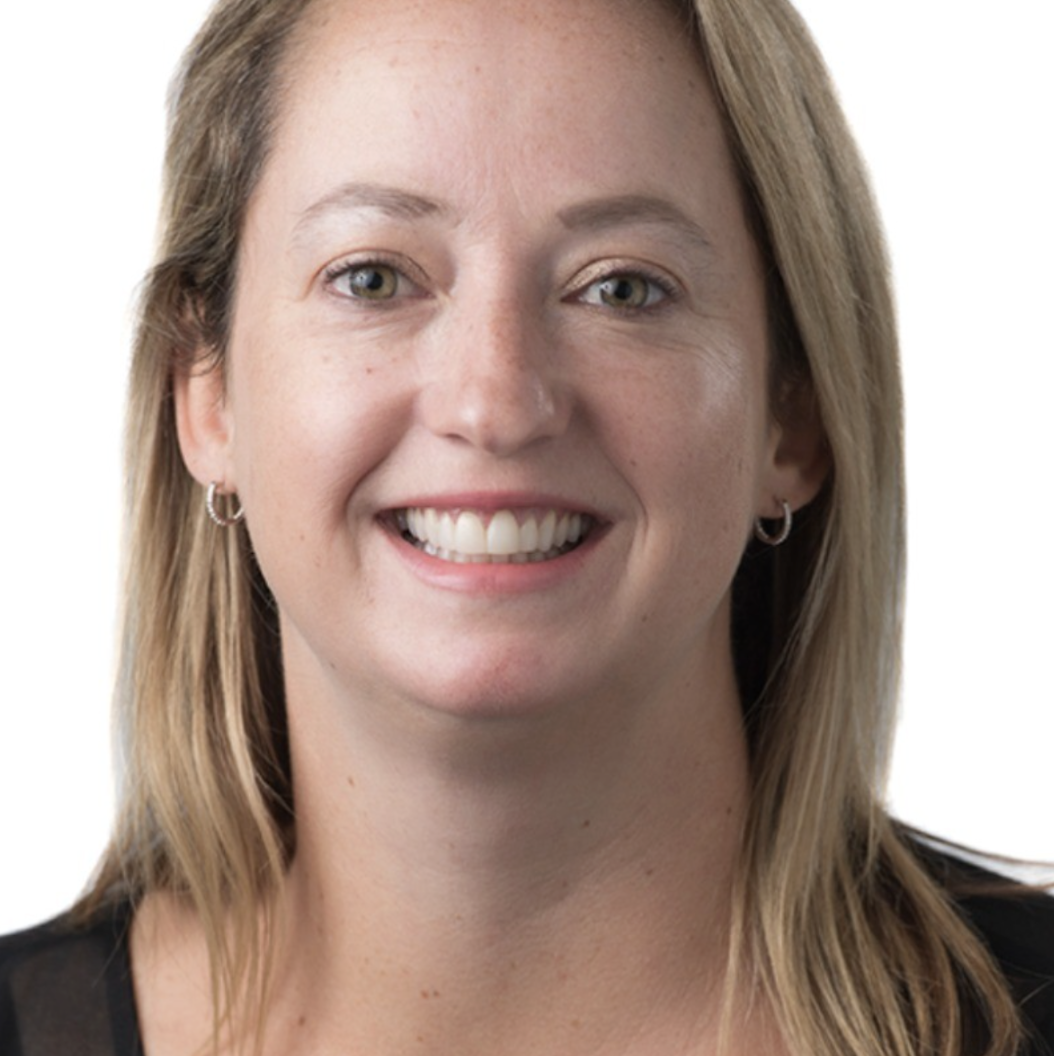
Prof Rachel Hill is an NHMRC Career Development Fellow and head of the Behavioural Neuroscience Laboratory in the Department of Psychiatry at Monash Medical Centre.
Her team works toward better treatments for psychiatric disorders by modelling genetic and environmental risk factors and studying their molecular, physiological and behavioural effects using genetic manipulation, mouse behavioural testing, molecular biology, in vivo electrophysiology and human clinical studies.
Audience Q&A highlights:
28:20 – “What led you to feel that you needed to drive the formation of the consortium, and ultimately to take the lead in creating it?”
In her answer, Rachel reflects on reaching the limits of what could be achieved through individual modelling studies and recognising the need for larger datasets. She also discusses communication as a personal strength and its importance in bringing people together around a shared research goal.
30:25 – “You identified communication as one of your strengths. Were there particular experiences early in your career that helped build or solidify your skills as a communicator?”
In her answer, Rachel reflects on studying within a tertiary environment that strongly encouraged speaking and presenting, including through student events (like SOBR). She emphasises the value of in-person communication and the importance of staying to talk and network after presentations and events.
32:10 – “As research moves towards greater collaboration, larger datasets, and cross-model approaches, these large-scale studies can be particularly attractive for publication. For early-career researchers conducting smaller studies, how might this shift affect employability and the kinds of research roles available, including potentially more administrative roles within large data consortia?”
39:30 – “What do you see as the key challenges in integrating and interpreting these large datasets? For someone planning a PhD, would you recommend deliberately developing stronger bioinformatics and computational skills alongside biological or wet-lab expertise?”