

2026 Committee
Introducing Students of Brain Research Committee 2026
-
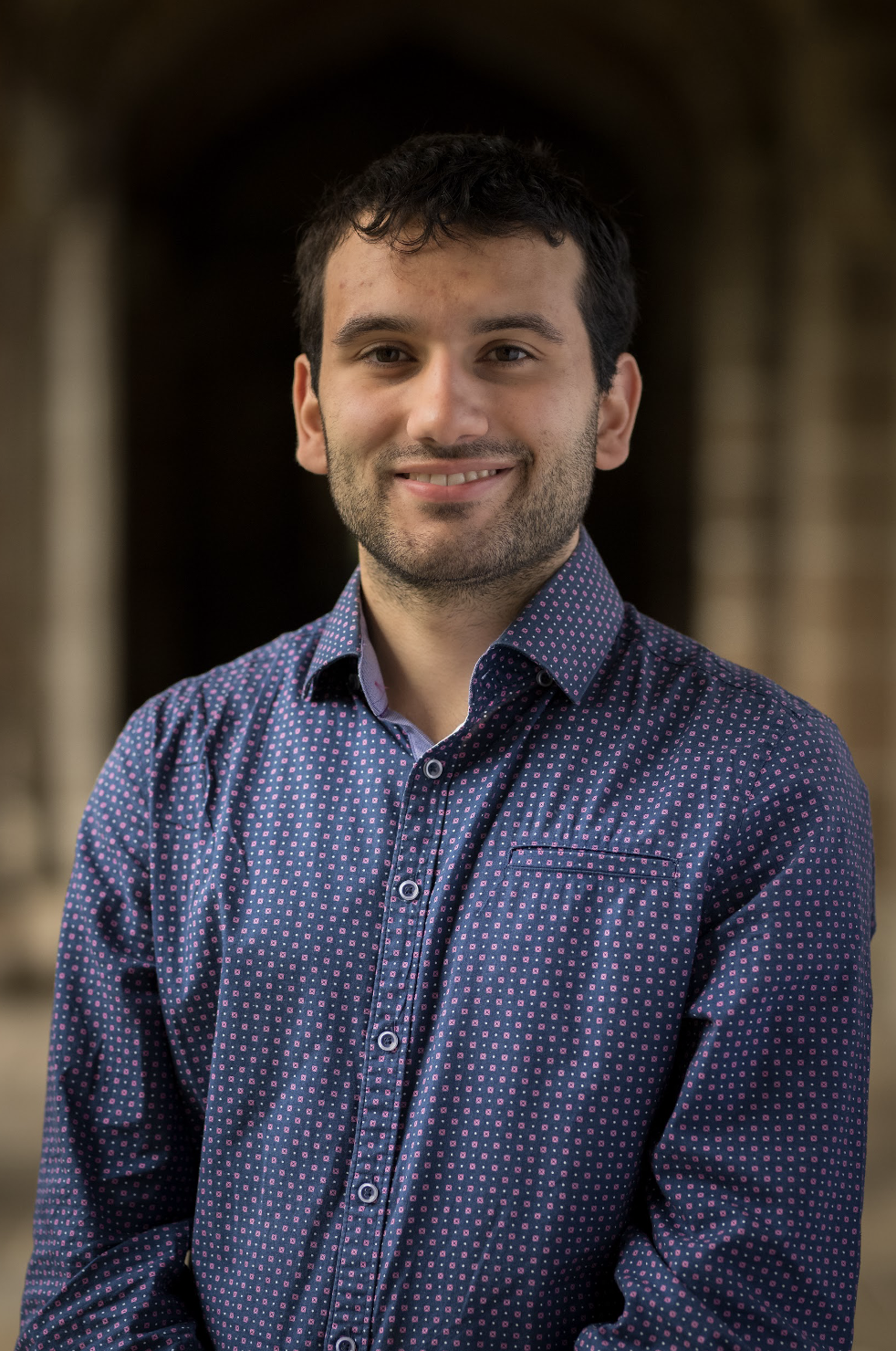
Marcus Camilleri | President
Bio: Marcus is a second-year PhD student at The University of Melbourne. In his free time, Marcus loves travelling, playing music and spending time with friends.
Research Summary: My research investigates the genetics of early human brain development, in both post-mortem samples and brain organoids, which are lab-grown mimics of a real brain. We hope to shortlist genes and gene versions which are likely implicated in neurodevelopmental and neuropsychiatric disorders, with the eventual hope of developing gene and RNA therapies to treat these debilitating conditions.
-
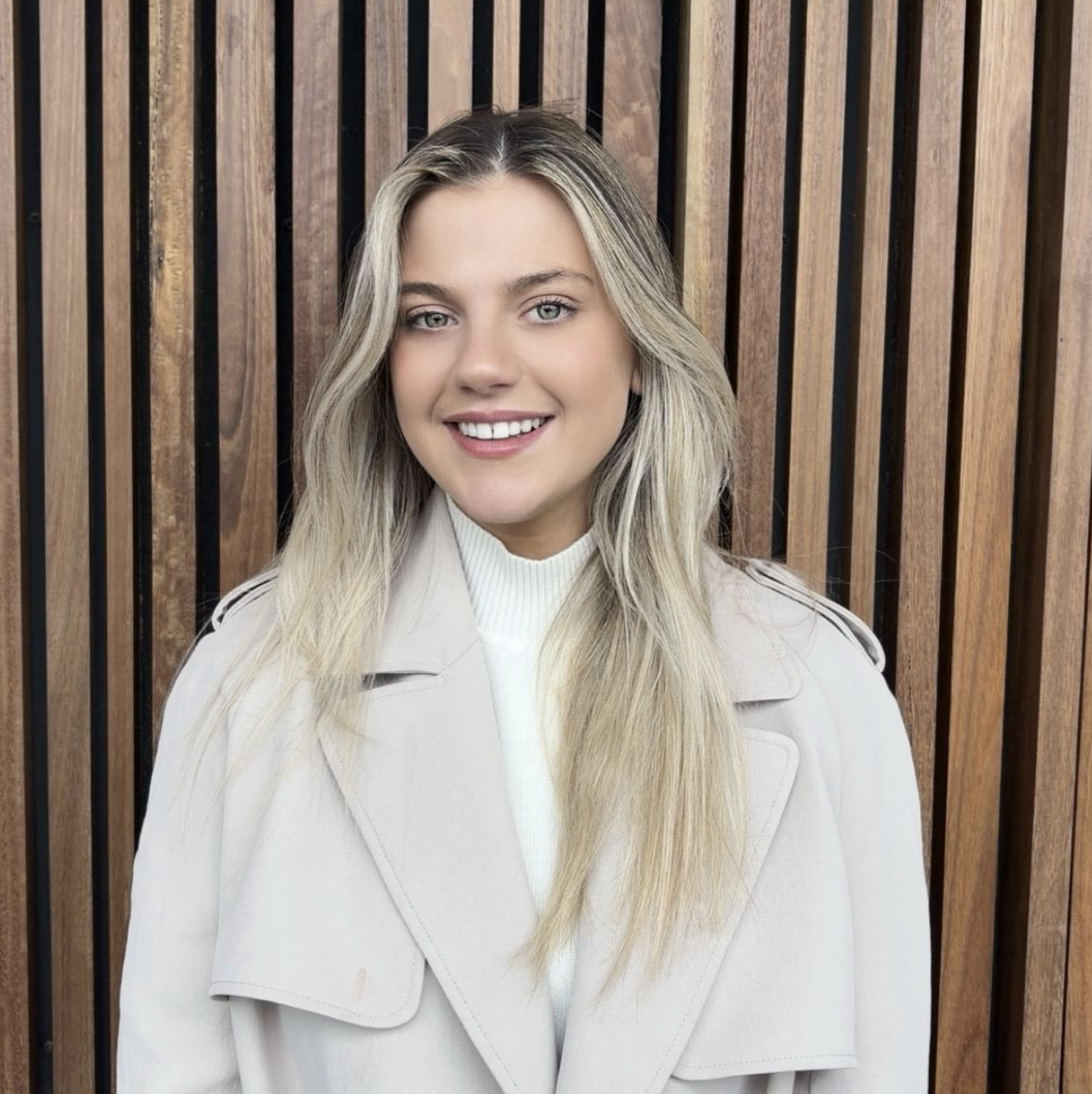
Annalise Leopold | Vice President
Bio: Annalise is a second-year PhD candidate at Deakin University. She enjoys spending time with family and skiing, and will complete her ski instructor qualification in Switzerland at the end of the year.
Research summary: Annalise’s research investigates the experiential and neural basis of the urge to tic in Tourette syndrome. While tics are the defining diagnostic feature, most individuals experience aversive pre-tic sensations that are thought to drive tic expression. Using multimodal MRI (structural and functional) collected at the Royal Children’s Hospital, Melbourne, alongside novel real-time urge tracking within the scanner, her work aims to characterise the neural mechanisms underlying these experiences. -
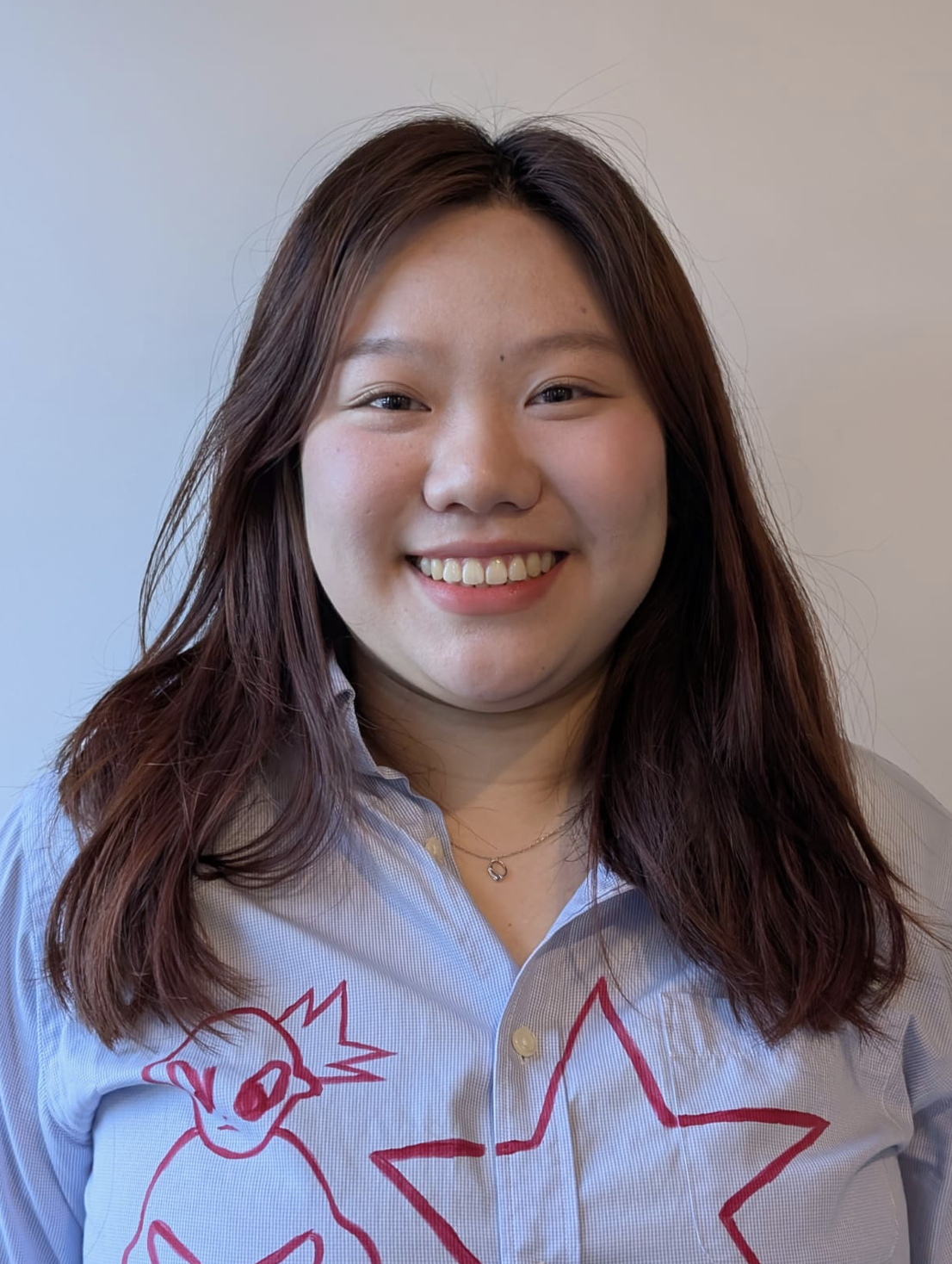
Jen Xin Fach | Secretary
Bio: Jen Xin is a third-year PhD student from Monash University, she is currently completing her PhD based at the Baker Heart and Diabetes Institute. She enjoys arts and crafting and listening to music in her free time.
Research summary: Type 2 diabetes is a major contributor to mortality from non-communicable diseases. My research investigates the central glucoregulatory role of a gene called Trim28, focusing on the hypothalamus, a key brain region involved in metabolic regulation. Using murine models, we selectively delete Trim28 from hypothalamic neuronal populations that are critical for regulating glucose homeostasis. We observed overall improvements in glucose tolerance and insulin sensitivity in mice with Trim28 deletions compared with wild-type littermates. This study identifies Trim28 as a potential therapeutic target for future Type 2 diabetes treatments. -

Maya Bishop | Treasurer
Bio: Maya is a PhD candidate at The Florey Institute of Neuroscience and Mental Health and The University of Melbourne. She has a strong background in biomedical research and is passionate about translational science that bridges laboratory discoveries with clinical impact. Outside the lab, Maya enjoys balancing the fast pace of research with exploring new places, connecting with people, and embracing meaningful moments of calm and joy.
Research summary: Maya’s research investigates cardiovascular and cerebrovascular dysfunction in sepsis, with a focus on vascular hyporesponsiveness to noradrenaline and impaired cerebral perfusion. Using an ovine model of Gram-negative sepsis, her work explores the therapeutic potential of sodium ascorbate to restore haemodynamic stability and improve brain outcomes. She integrates physiological monitoring with molecular and mitochondrial analyses to better understand mechanisms of organ injury, with the ultimate goal of identifying clinically translatable treatments for critically ill patients.
-
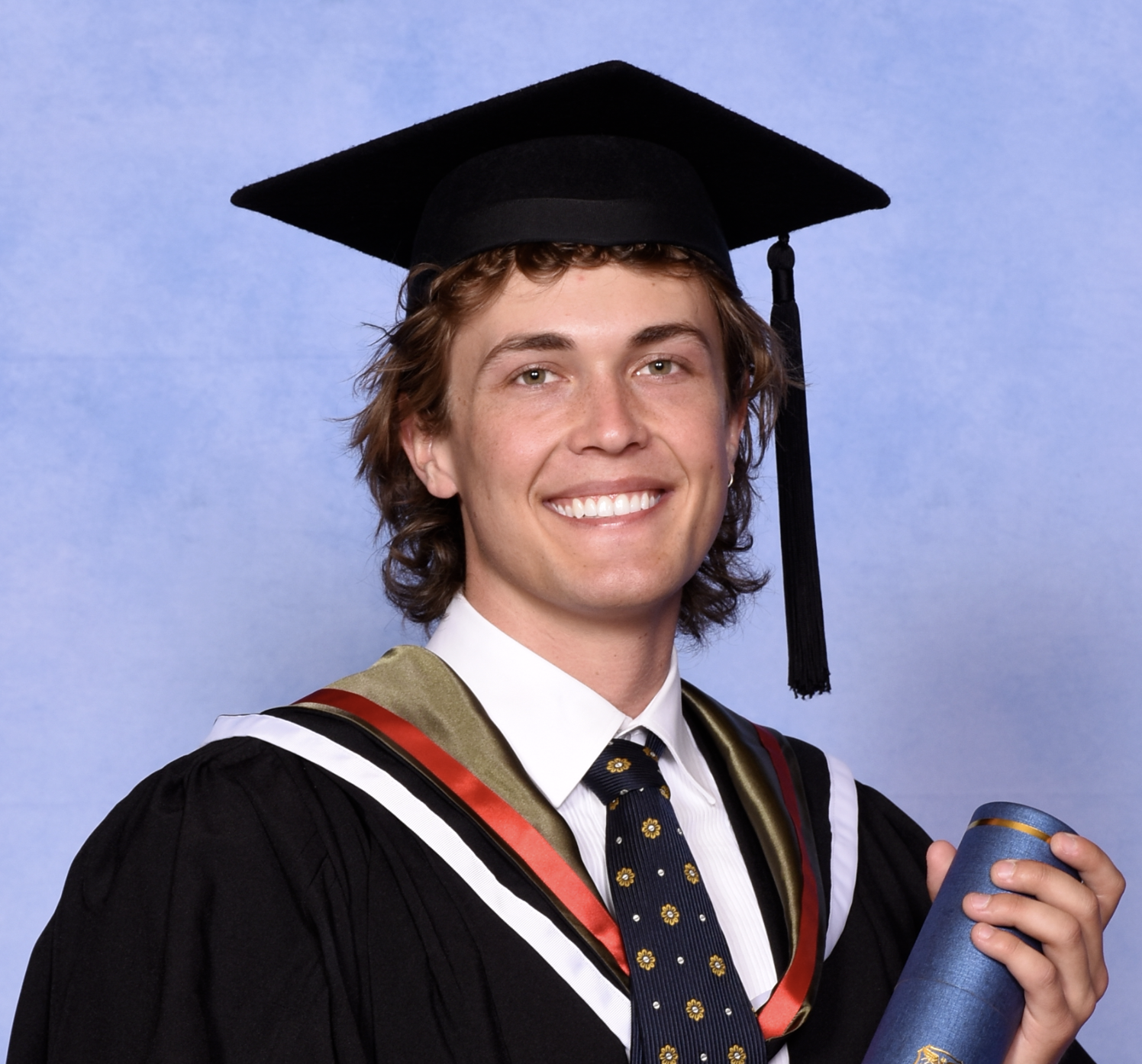
Sam Combes | Communications & Outreach Manager
Bio: Sam is a third-year PhD student at The University of Melbourne through the Florey Institute of Neuroscience and Mental Health. In his free time, Sam loves hiking, playing guitar and frequenting University House.
Research summary: Sam’s research focuses on understanding how brain tumours grow and interact with the brain. Unlike most cancers, brain tumours can form direct connections with brain cells, allowing them to hijack normal brain activity to support their growth. Using advanced imaging and light-based tools, Sam can study and manipulate these interactions in real time in a specialised mouse model, established in partnership with The Royal Melbourne Hospital. By uncovering how these tumours exploit the brain, his work helps lay the foundation for new treatments that aim to disrupt these connections and ultimately fight brain cancer. -
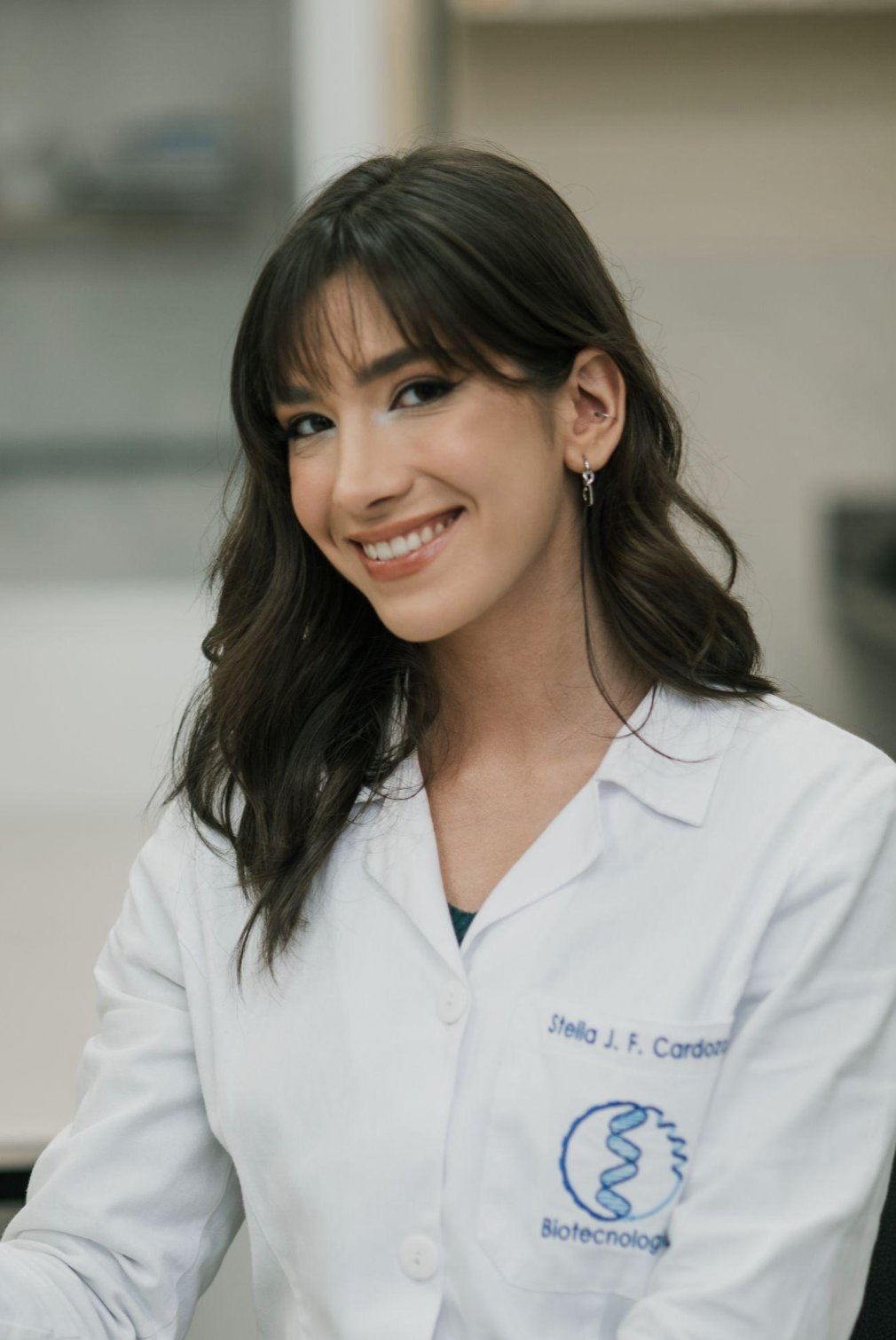
Stella Cardozo | Communications & Outreach Manager
Bio: Stella is a 2nd year PhD candidate at the University of Melbourne based at the Florey. She enjoys playing the cello, rock climbing, cooking, and crochet, and is always keen to explore new foodie spots around Melbourne.
Research summary: Stella’s research investigates the neurobiological relationship between alcohol and nicotine co-use, with a particular focus on the mechanisms underlying withdrawal. She employs a combination of confocal imaging, behavioural assays, and fibre photometry to interrogate these processes at both circuit and behavioural levels. She has presented her work at the National BPA Conference. -
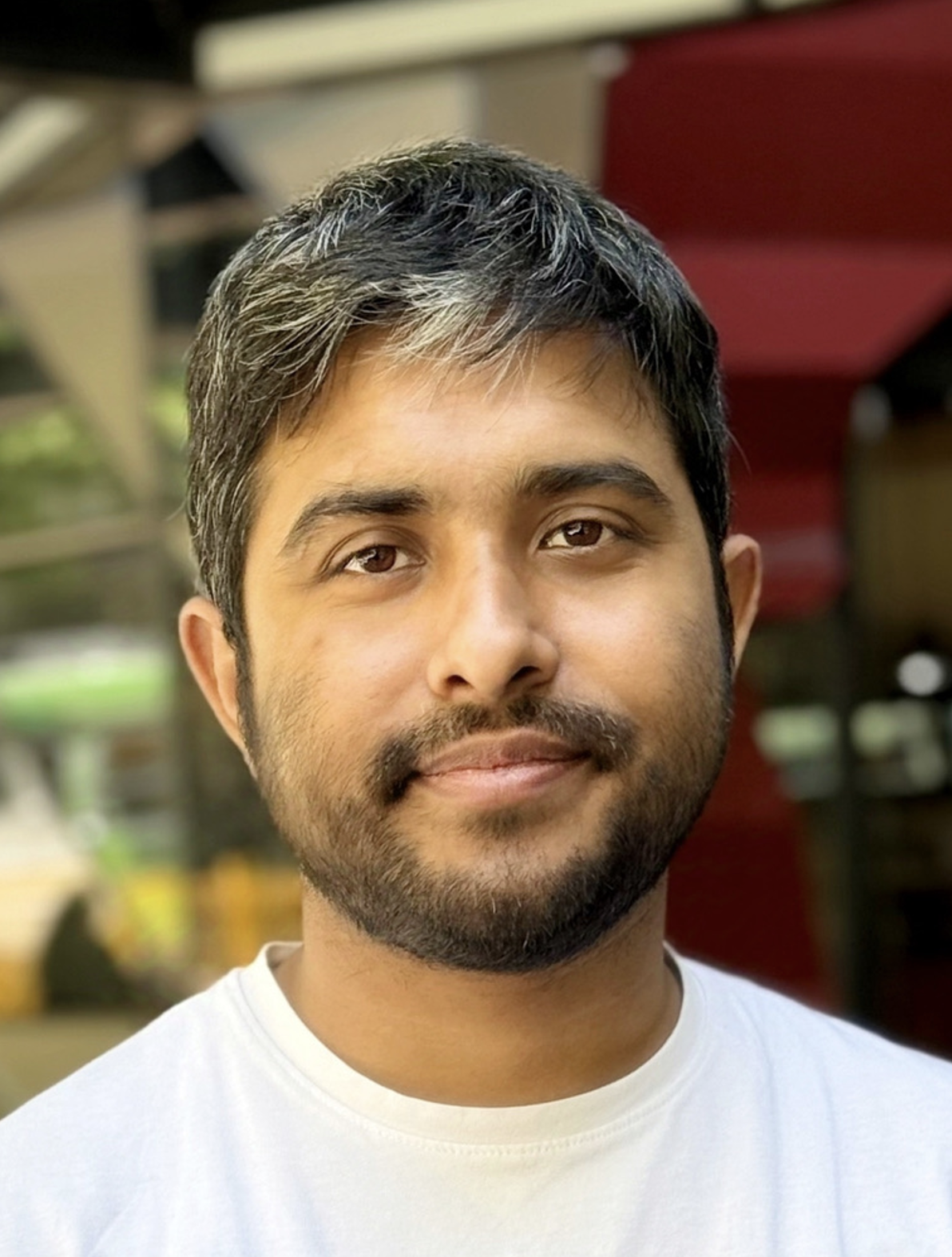
Md Hasan UI Banna | Sponsorship Manager
Bio: Hasan is a final-year PhD student at RMIT University. In his free time, Hasan loves watching news, reading books, travelling, and spending time with friends and families.
Research summary: My research focuses on visualising retinal microglia to understand brain health. I investigate how microglial metabolism and autofluorescence change during inflammation and disease, and whether similar changes in retinal microglia can serve as a window and non-invasive indicator of brain pathology. -
Liouba Le Roux | Events Manager
Bio: Liouba is a third-year PhD student at the Florey Institute, studying at the University of Melbourne. Originally from France, she’s always up for an adventure, whether that’s travelling around Australia, hiking way off the beaten track, or meeting new people along the way. She’s basically always ready to say yes to anything new.
Research summary: Liouba is working on developing a new generation of therapeutics, exploring peptide-based technologies to cross the blood-brain barrier. Using high-resolution microscopy and cutting-edge chemistry, she’s on a mission to crack the mystery of how to reach the brain, opening the door to more effective gene therapies in the future. -
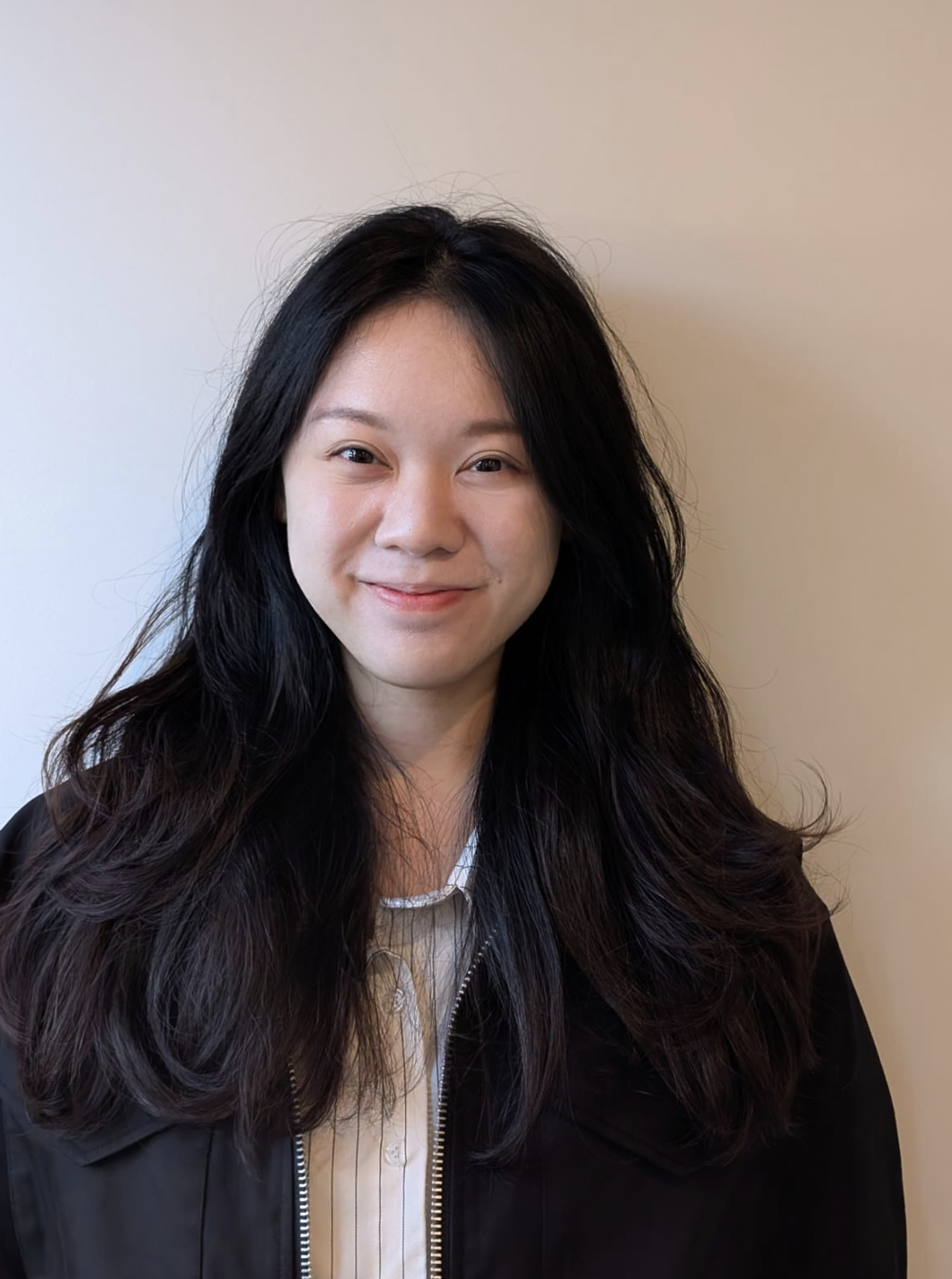
Hanne Woo | Events Officer
Bio: Hanne is a second-year PhD student at the Baker Heart and Diabetes Institute and Monash University. In her spare time, she enjoys arts and crafts and has a strong interest in travelling.
Research summary: Hanne’s research aims to characterise key hypothalamic regulators and neural circuits involved in energy homeostasis using sequencing technologies and computational modelling. Her work specifically explores how obesity disrupts transcriptomic elasticity in response to fasting–refeeding cycles. -
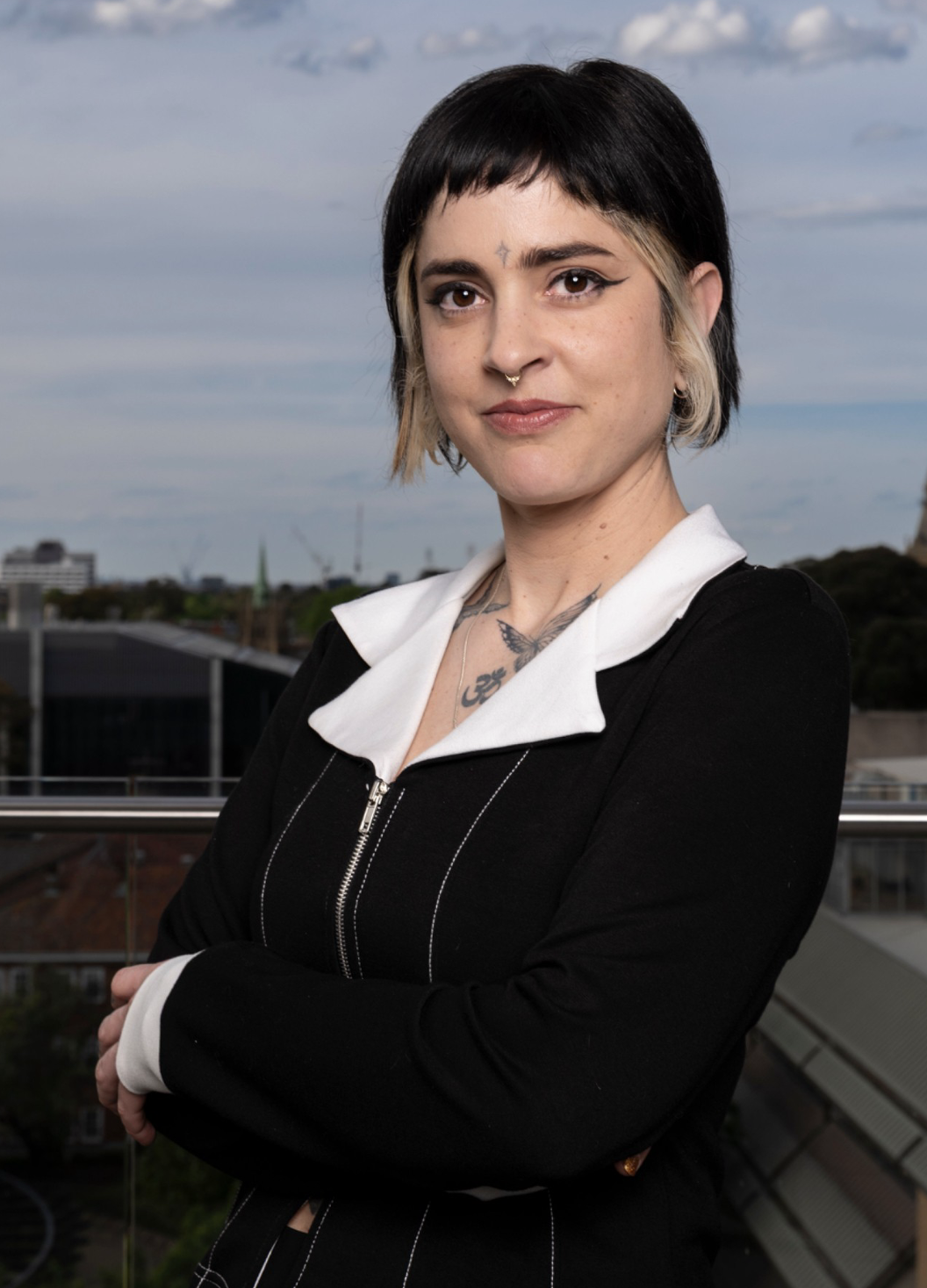
Maria Law | Events Officer
Bio: Maria is a first year PhD student at The Florey Institute/University of Melbourne. In her spare time she enjoys socialising with friends, going running with her dog, reading and going to the beach.
Research summary: Using the latest in stem cell technology my research is developing disease models to study neurodevelopmental disorders ranging from developmental epileptic encephalopathy through to childhood autism. My research aims to gain new insight into disease mechanisms to facilitate the development of novel treatments. -
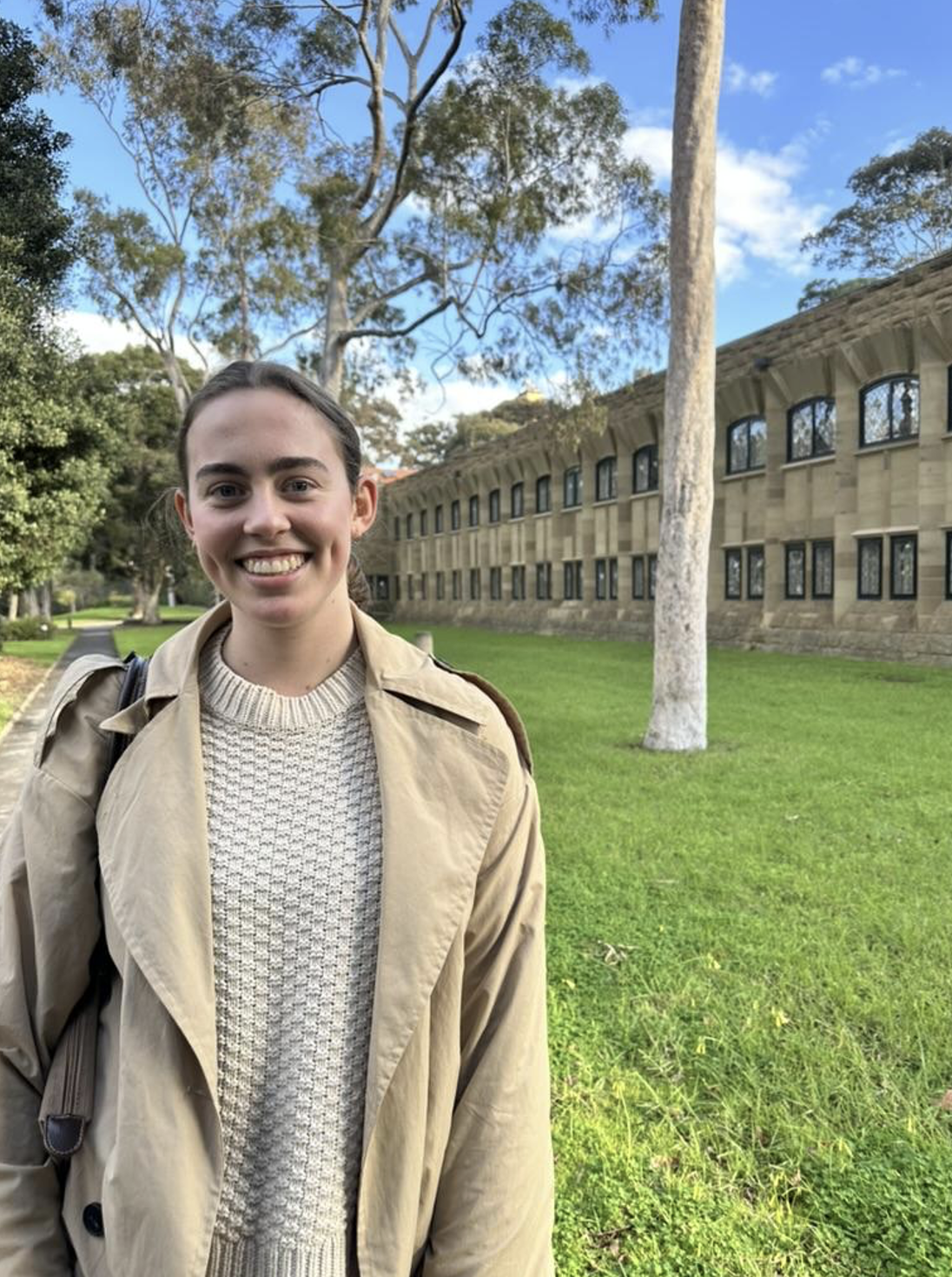
Maggie Eisenhauer | Undergraduate Rep
Bio: Maggie is a second year Bachelor of Science student at the University of Melbourne, majoring in Psychology. Originally from Sydney, she loves all things related to the beach and the ocean, as well as being a major Swiftie in her spare time.
Research summary: In the future I hope to go into the field of clinical neuropsychology, as I’m very interested in neuroanatomy.
-
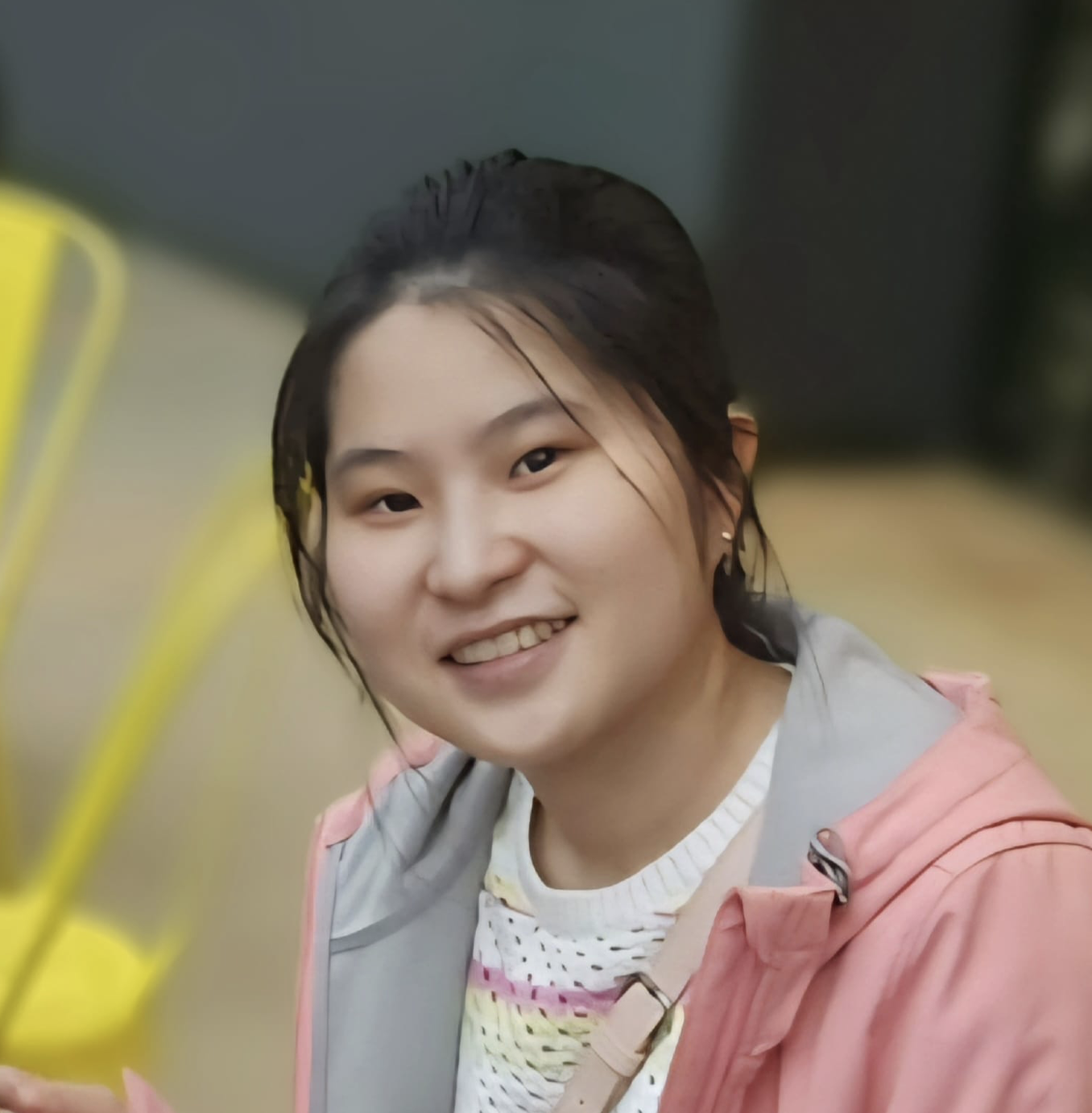
Casie Chan | Undergraduate Rep
Bio: Casie is a third year student studying a Bachelor of Psychology and Science (genetics) at Monash University. In her spare time, she enjoys crocheting, cross-stitching, beading and reading.
Research summary: In the future, I hope to study the role genetics has on neurodevelopment.