

SOBR 2026 Undergraduate and Honours Career Pathways:
Webinar Recordings
Dr. Aron Hill

Dr. Aron Hill is a Senior Research Fellow in the Cognitive Neuroscience Unit at Deakin University, where he co-leads the Brain Systems and Neurotherapeutics Lab. His research focuses on how the use of advanced neuroscience techniques (brain stimulation, EEG etc.) can better understand the neural mechanisms underlying neurodevelopmental and psychiatric disorders. His work is strongly translational, aiming to improve how we measure, diagnose, and treat psychiatric and neurodevelopmental disorders.
Aron has published more than 70 peer-reviewed papers and has held leadership roles in the field, including serving as Secretary of the Australasian Brain Stimulation Society from 2021 to 2024. Before moving fully into academia, Aron spent over a decade as a Medical Scientist in Neurophysiology at Alfred Health. During this time, he worked across a range of clinical settings, including intensive care and surgery, developing expertise in techniques such as EEG.
Dr. Sylvia Lin
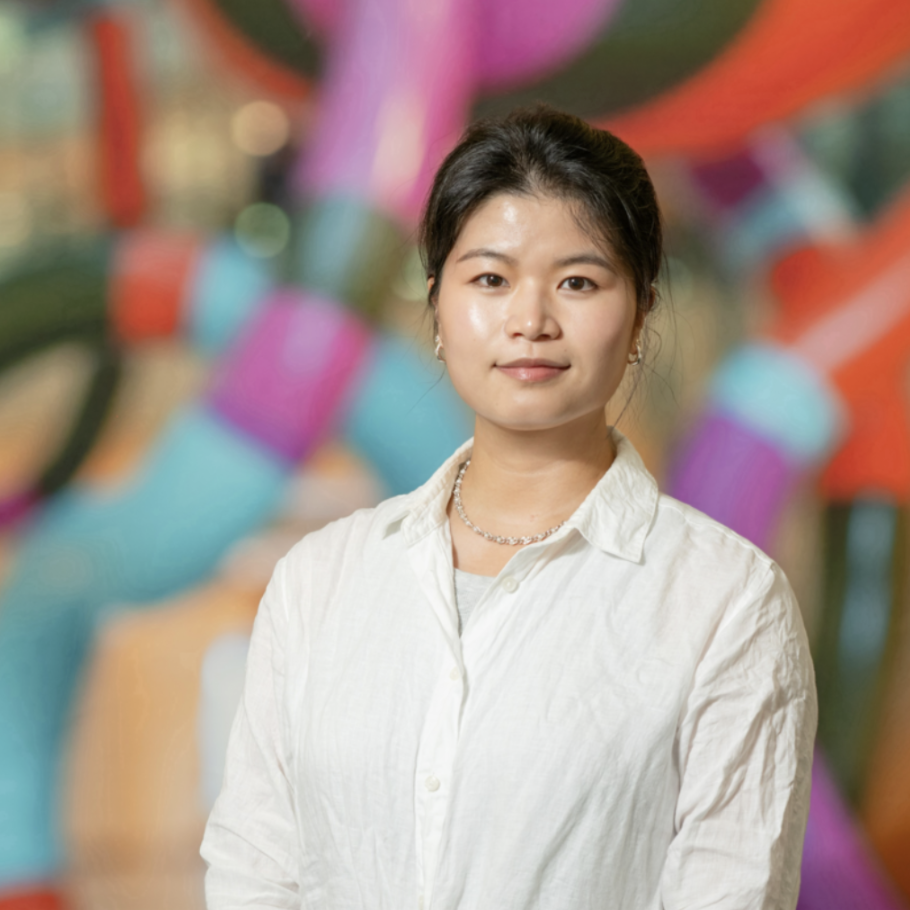
Dr. Sylvia Lin is a Postdoctoral Research Fellow working across the School of Psychology at Deakin University and the Centre for Adolescent Health at the Murdoch Children's Research Institute. Her research focuses on how social environments shape the developing brain, and how these processes contribute to mental health risk and resilience across adolescence. Her work is driven by a translational aim to support healthy development. Sylvia's research has earned prestigious awards including the Mendelson Neuroscience Award and Dean's Award for Excellence in Graduate Research, as well as best presentation and best publication awards. She has been invited to speak at >20 national and international neuroimaging and developmental psychology conferences.
She is currently working on research studies investigating social media use and adolescent development, in particular, evaluating the impact of Australia's world-first social media age restrictions. Her research helps build the evidence base for one of the most significant policy and public health debates affecting young people living in a digital world today.
Dr. Alessandra Lee
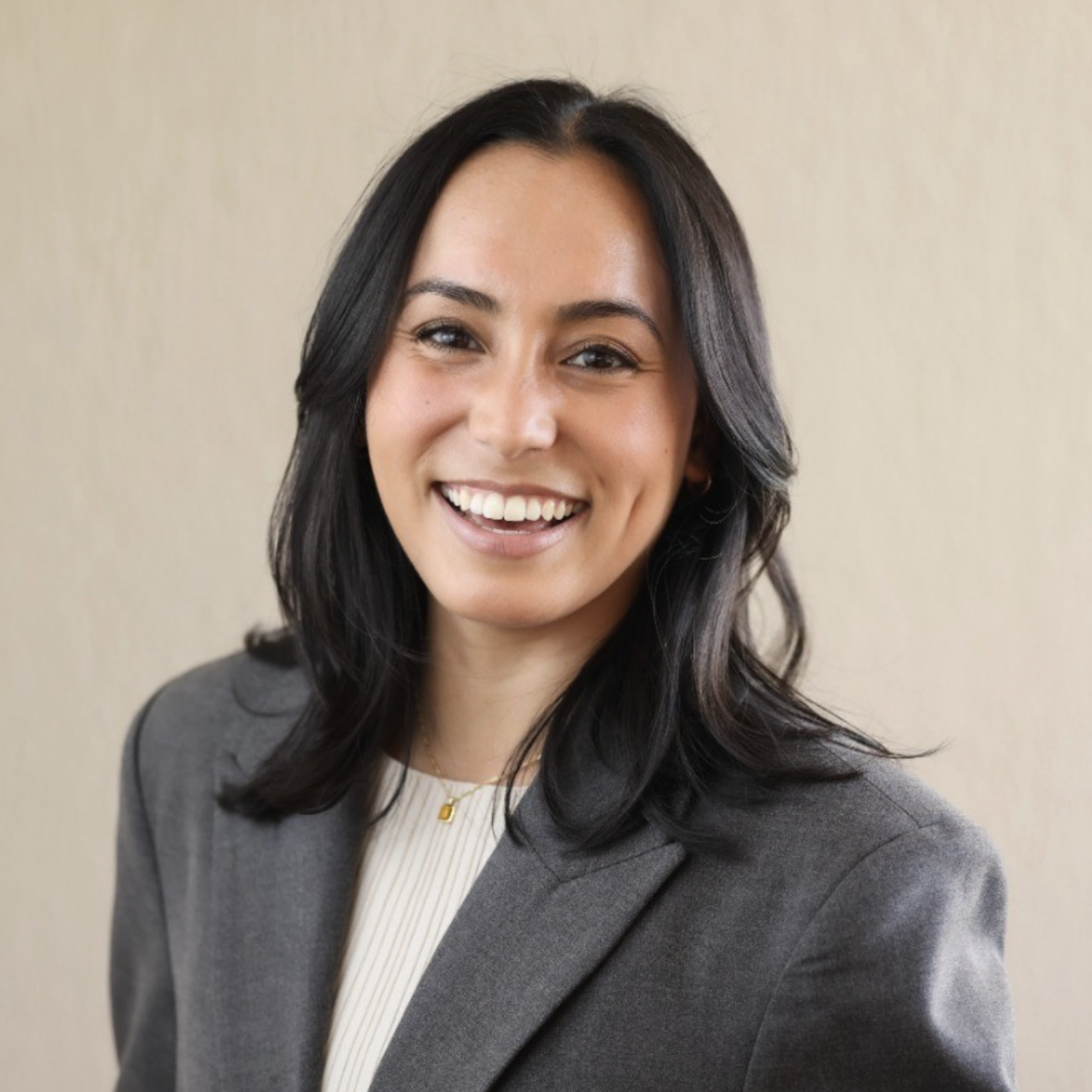
Alessandra is a Clinical Neuropsychologist and clinician-researcher based at the Healthy Brain Ageing Clinic in Sydney, specialising in the assessment and management of cognitive impairment in older adults. Working primarily within tertiary memory clinics and hospital settings, she conducts comprehensive neuropsychological assessments and contributes to multidisciplinary diagnostic and care pathways.
Alongside her clinical work, Alessandra has contributed to national research initiatives, including as the Project Officer for the Centre of Research Excellence to Optimise Sleep in Brain Ageing and Neurodegeneration (CogSleep).
Alessandra completed a Bachelor of Science (Honours) in Psychology at the University of Sydney, followed by a Master of Clinical Neuropsychology at Macquarie University. She recently completed a PhD at the University of Sydney, investigating how personalised cognitive interventions for older adults with mild cognitive impairment can be successfully translated into real-world healthcare settings.
Lucky for us, today Alessandra will reflect on her pathway into clinical neuropsychology and research, discuss where she is today, and share what she would have done differently, and what she would have done the same, during her undergraduate and postgraduate training.
Audience Q&A highlights:
10:30 – “For a mature-age student nearing the end of their undergraduate degree and considering postgraduate research, how common is it to enter the field or begin a new research career later in life?”
12:00 – “For undergraduates interested in neuroscience but unsure how to get involved, what would you recommend for becoming more engaged with the community, finding opportunities, and meeting people with similar interests?”
Audience Q&A highlights:
7:40 – “When considering Honours or PhD opportunities, how important is finding the right university, research environment, and culture? What was your experience of moving between universities (Specifically, The University of Melbourne and Deakin University)?”
10:21 – “More generally, what advice would you give students when choosing an Honours project?”
Audience Q&A highlights:
8:30 – “As a second-year undergraduate psychology student, where are some good places to volunteer or apply for opportunities to begin gaining relevant experience?”
10:10 – “What was your experience navigating the requirements and pathway into clinical neuropsychology, and what were some of the challenges you encountered along the way?”